Can I Run Nex Machina?
Detecting...
Checking your PC
How does your hardware run it?
Detecting your hardware...
System Requirements
| Component | Minimum | Recommended | Your PC |
|---|---|---|---|
| GPU | 2 GB Video RAM - NVIDIA GeForce GTX 760 or AMD Radeon R9 270 | 4 GB Video RAM - NVIDIA GeForce GTX 970 or AMD Radeon R9 390 | Detecting... |
| CPU | Intel Core i5-4690 or AMD FX-4300 | Intel Core i5-4690 or AMD FX-4300 | Detecting... |
| RAM | 4 GB | 8 GB | Detecting... |
| Storage | 1 GB | 1 GB | — |
| DirectX | Version 11 | Version 11 | — |
About
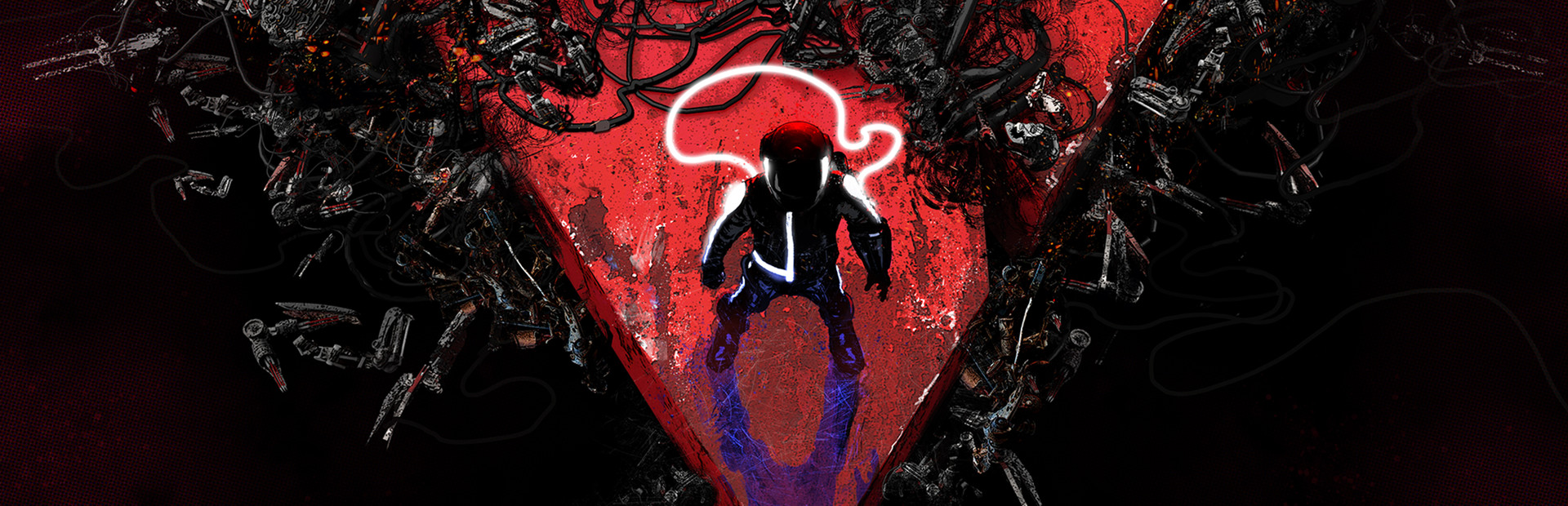
Nex Machina is an intense arcade style twin-stick shooter from Housemarque. Taking hints from both Robotron and Smash TV, Nex Machina focuses on pure action, voxel destruction and competition in the distant, cablepunk themed future.
Frequently Asked Questions
Can I run Nex Machina on my PC?
To run Nex Machina you need at least a DirectX compatible GPU and 4GB RAM. with 8GB RAM is recommended. Use CanIRun.gg to check your PC instantly for free.
What are the minimum requirements for Nex Machina?
Nex Machina minimum requirements: GPU: 2 GB Video RAM - NVIDIA GeForce GTX 760 or AMD Radeon R9 270, CPU: Intel Core i5-4690 or AMD FX-4300, RAM: 4 GB, Storage: 1 GB, DirectX: Version 11.
What are the recommended specs for Nex Machina?
Nex Machina recommended specs: GPU: 4 GB Video RAM - NVIDIA GeForce GTX 970 or AMD Radeon R9 390, CPU: Intel Core i5-4690 or AMD FX-4300, RAM: 8 GB, Storage: 1 GB, DirectX: Version 11.
How many GB is Nex Machina?
Nex Machina requires at least 1 GB of free storage for installation. Make sure you have some extra headroom for patches and save files.
Can a GTX 1650 run Nex Machina?
Yes, a GTX 1650 should run Nex Machina at minimum settings. It meets the minimum GPU tier but falls below the recommended spec, so expect 1080p low-to-medium and occasional frame dips in demanding scenes.
Is Nex Machina CPU or GPU intensive?
Nex Machina puts balanced load on both CPU and GPU. Neither component is dramatically heavier than the other, so a mid-range CPU paired with a mid-range GPU delivers the best experience.